RaxUp / Product design & evolution
We built something interesting.But did people need it?
Designing, testing, and evolving an AR cognitive training product — and learning the difference between an engaging experience and a real need.
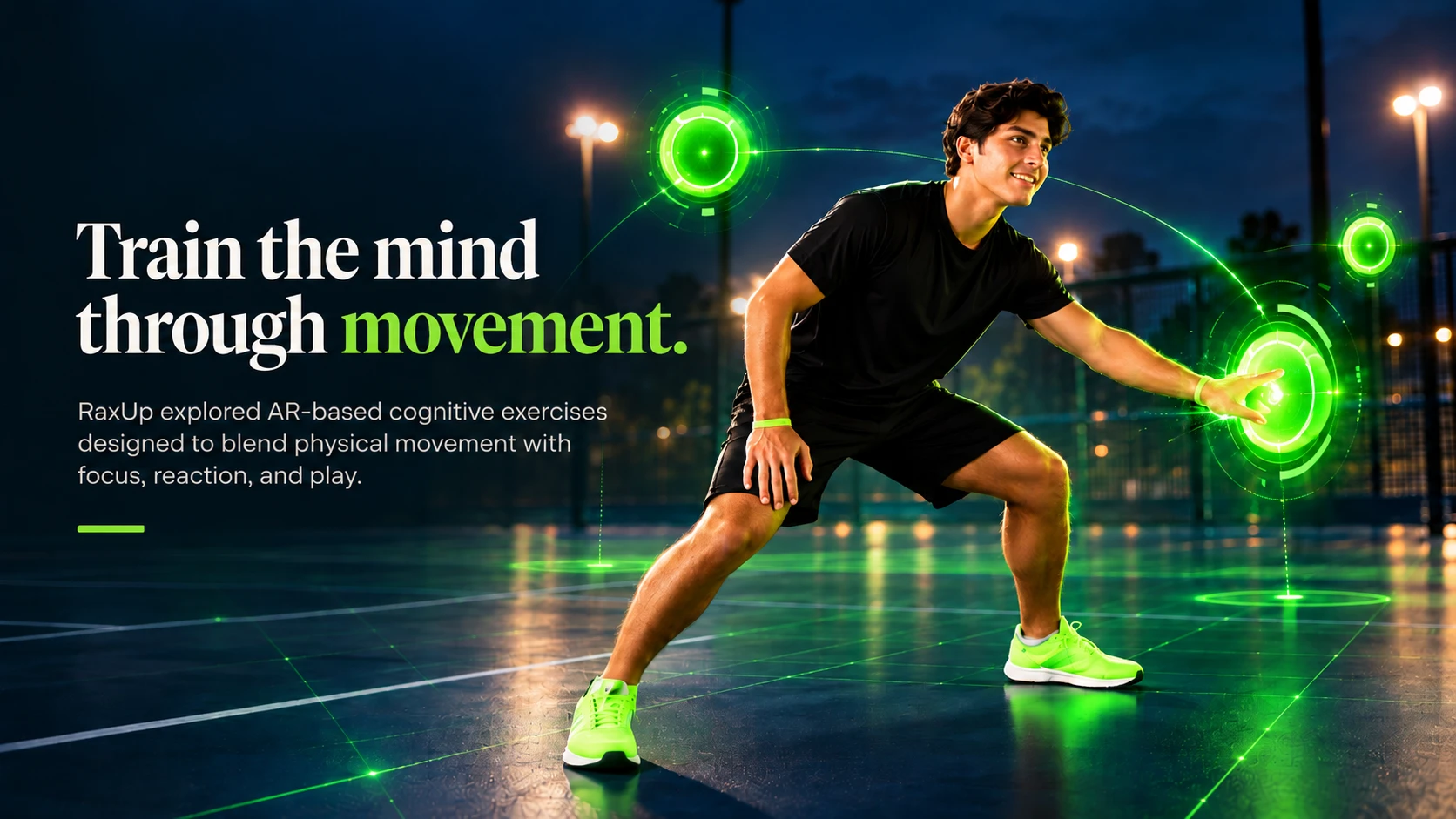
Project overview
A mobile cognitive-training product combining physical movement with AR-based exercises.
- My role
- Product Designer
- Focus
- UX Research, Interaction Design, Game Mechanics, Usability Testing, Product Iteration.
Chapter 01 / The beginning
An ambitious idea with a one-time problem.
ATHLX originally explored sports talent identification: using physical measurements to suggest which sports might suit a person’s body.
Manual measurement was difficult. The team developed an iPhone LiDAR/AR measurement experience, and I helped test the interaction with students.
Based on the usability issues we observed, I redesigned the instructions and AR guidance. But a deeper product question remained.
Why return after receiving your result?
Chapter 02 / The first pivot
From finding your sport to training every day.
The team shifted from a one-time talent assessment toward recurring cognitive and physical exercises.
I studied established cognitive tests and translated relevant task mechanics into interactive games, designing exercise rules, timing, interaction patterns, and gameplay flows.
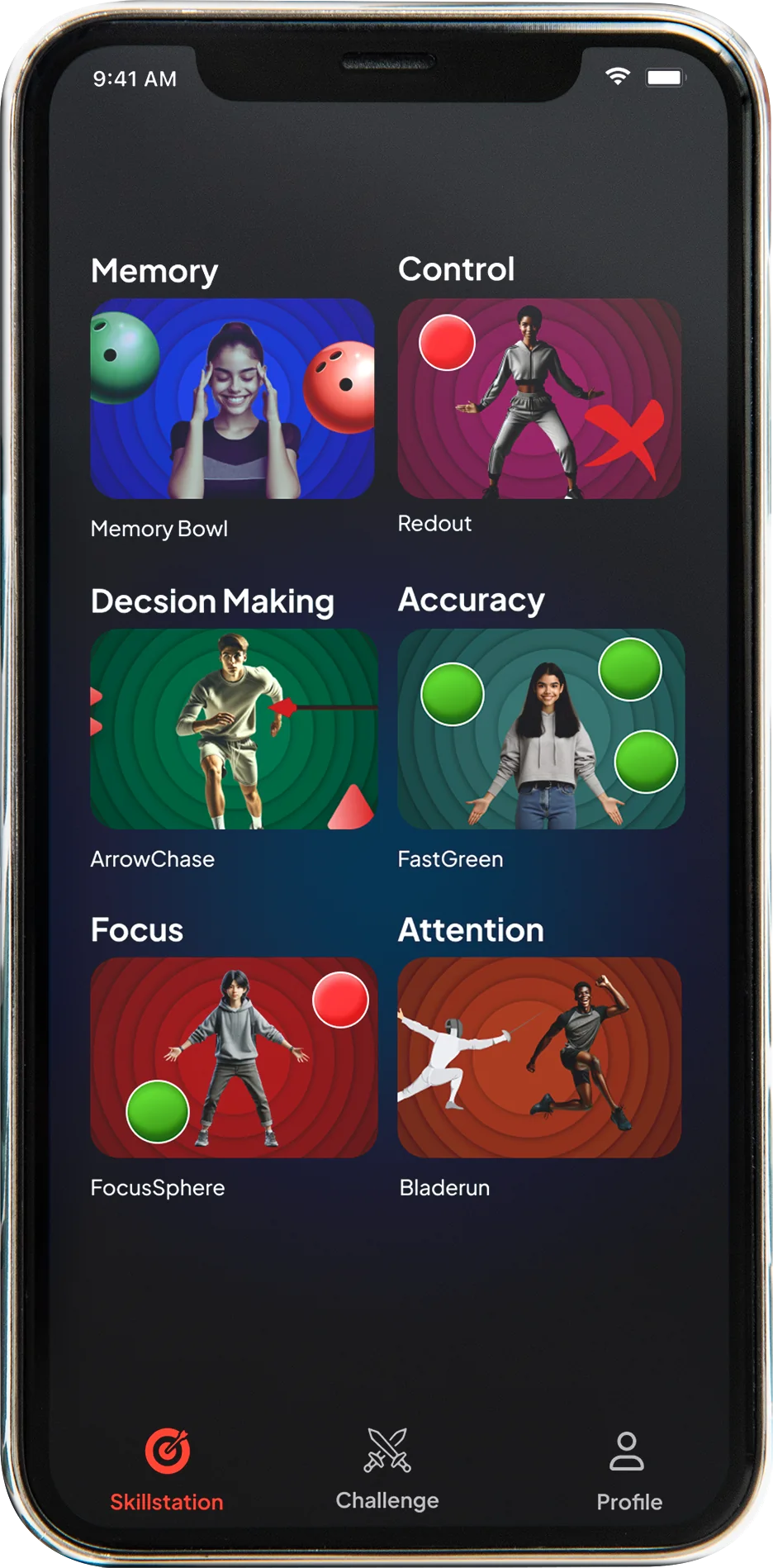
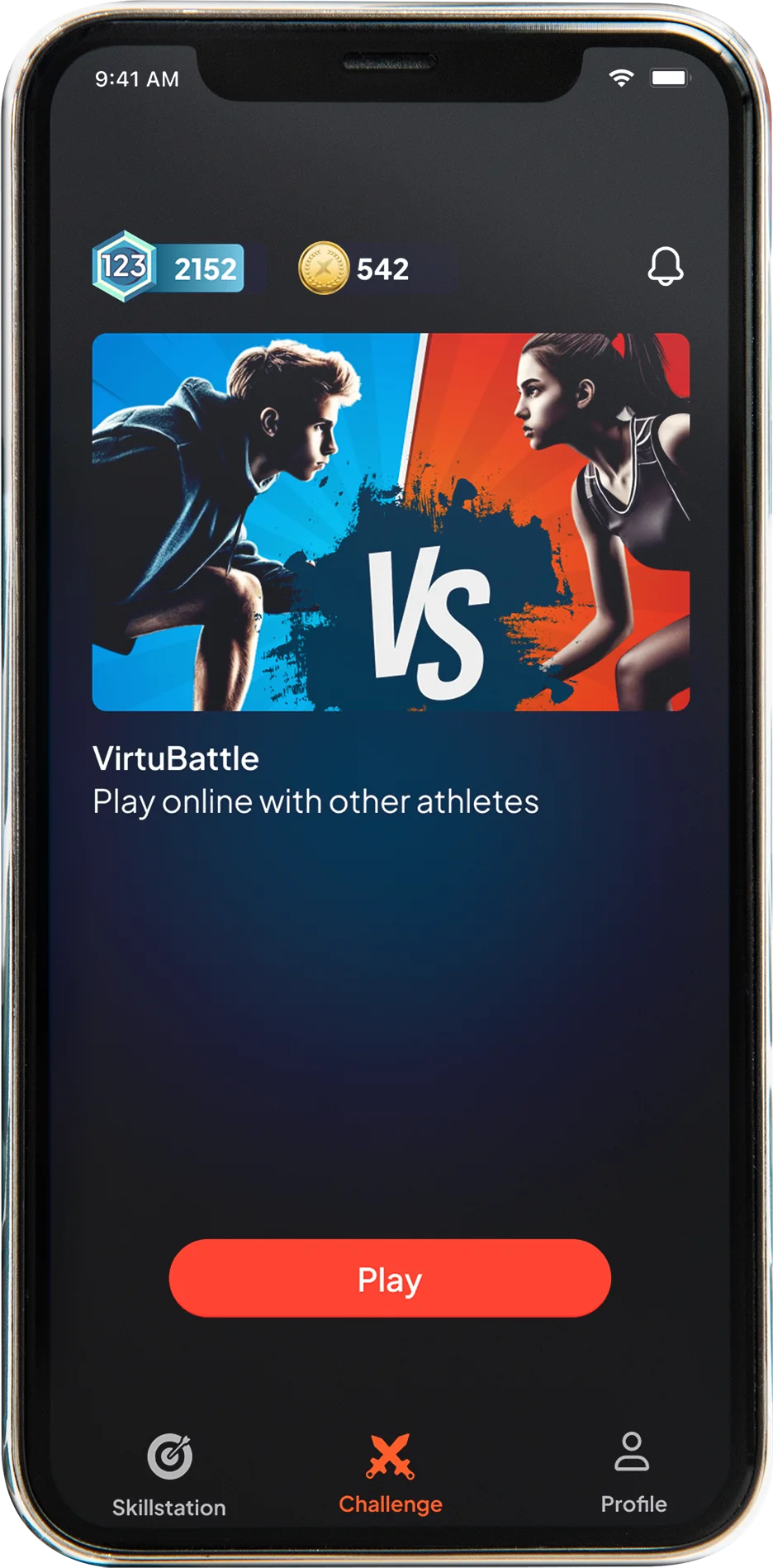
As the product evolved, the experience expanded to include reaction and decision-making exercises, SkillStation categories, challenges, leaderboards, ranking, and progression.
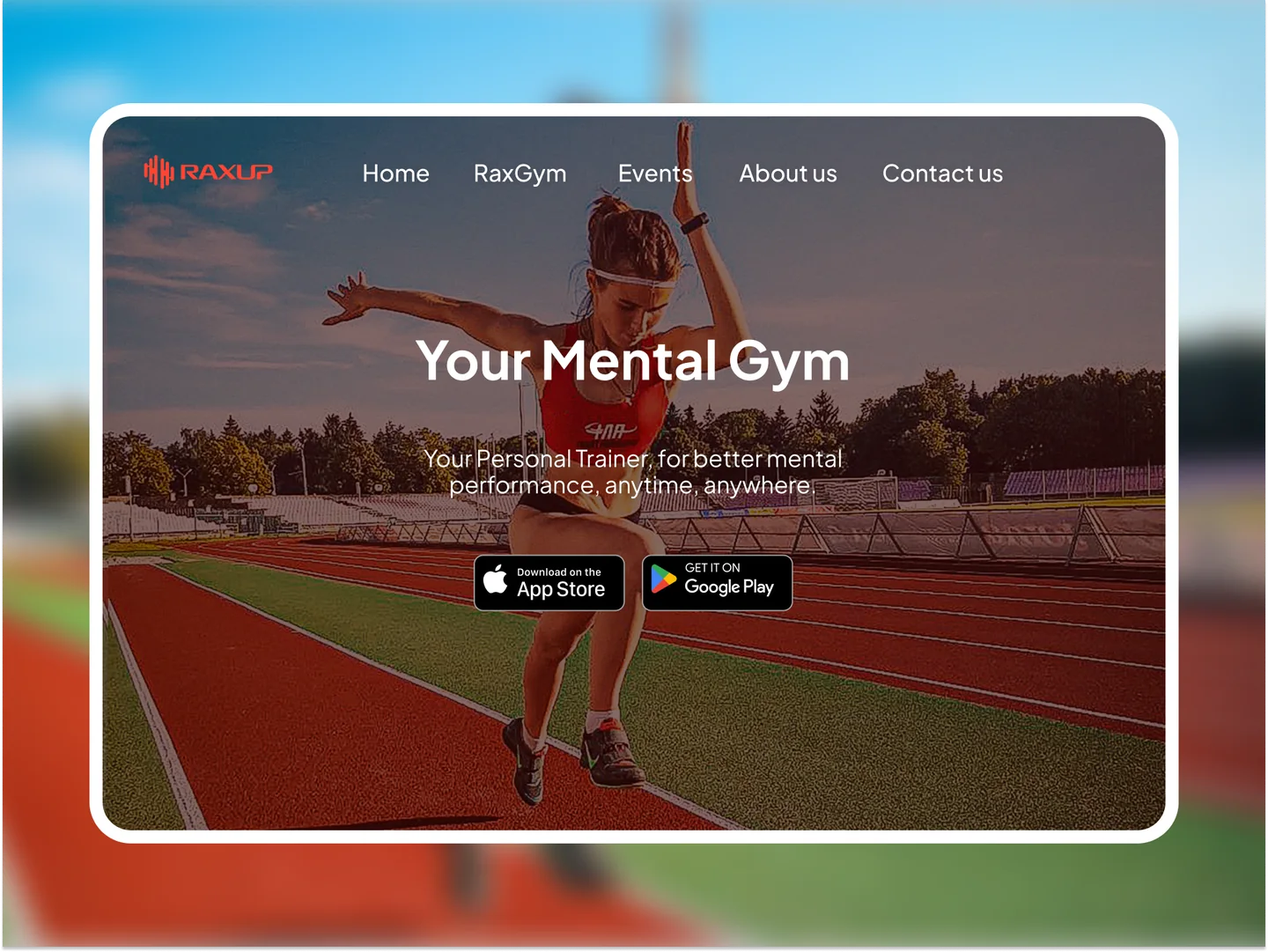
A way in
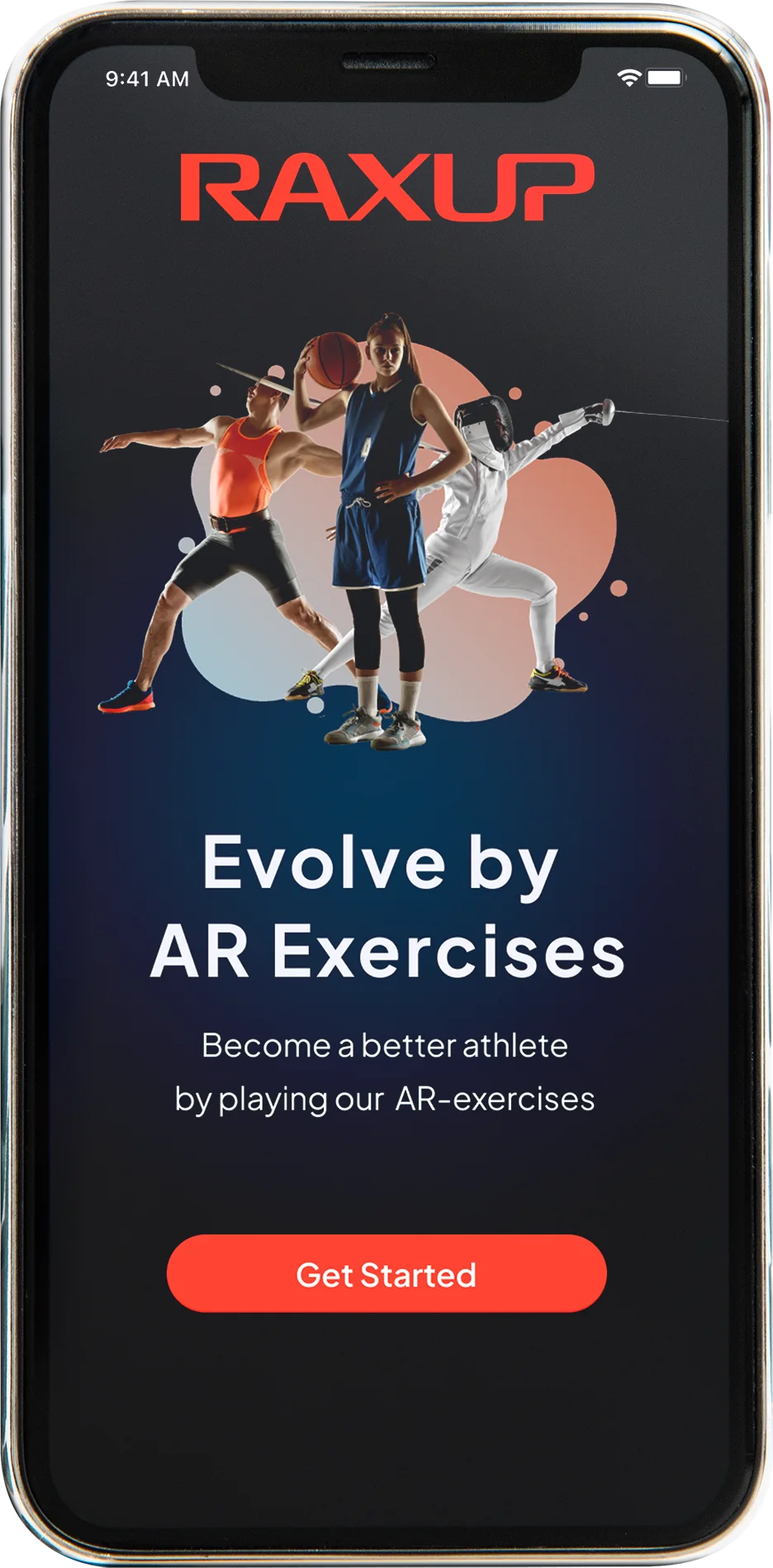
A skill to train
A reason to challenge
Chapter 03 / Designing through observation
The problem started before the game did.
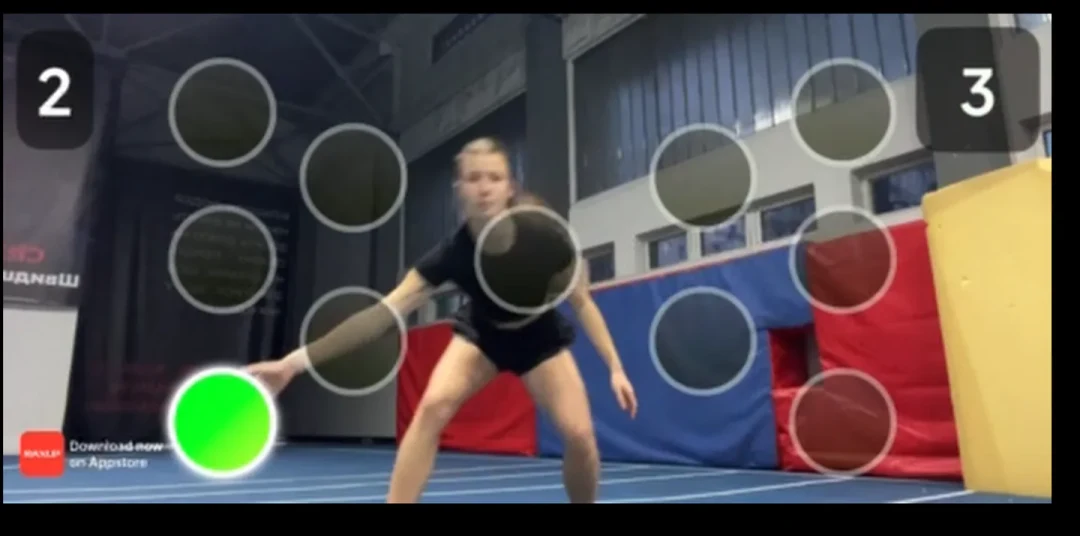
I planned and conducted in-person usability research: defining scenarios and participant tasks, establishing observation and documentation methods, preparing research questions, and interviewing coaches and users.
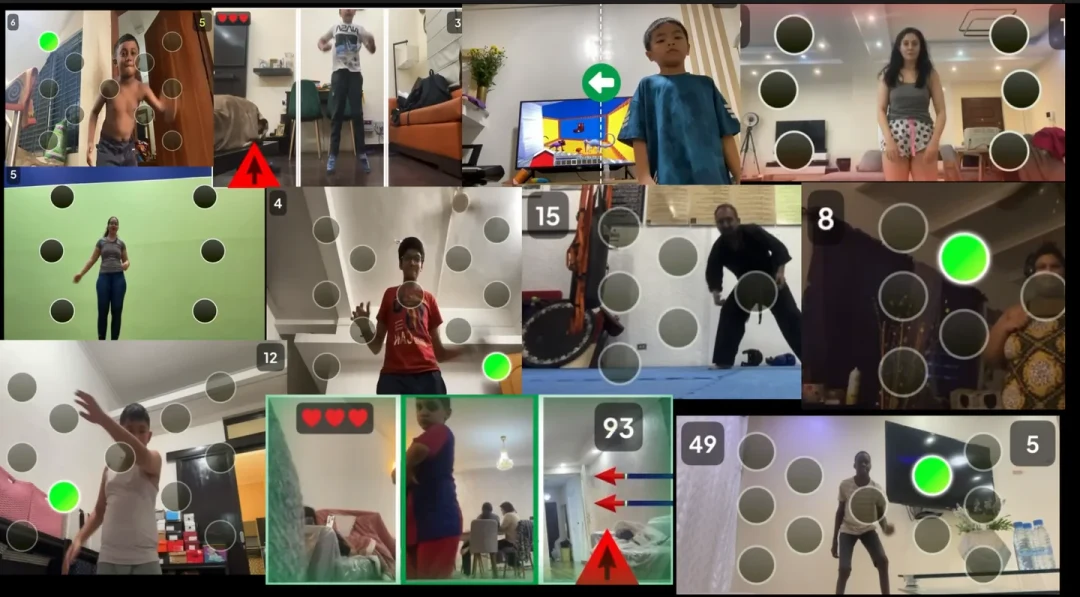
I also analyzed individual gameplay recordings. A recurring issue appeared before the exercise itself: some users placed their phones too low or too far away for reliable body tracking.
I independently proposed and designed a voice-guided, interactive setup experience. Instead of relying on static instructions, the flow worked with the app’s real-time pose-detection capabilities.
Interaction redesign
From reading instructions
to being ready to play.
Schematic of the setup logic — an explanatory illustration, not an app screenshot.
Before / Static instructions
- Read setup instructions
- Position the phone without live guidance
- Enter the game with framing problems unresolved
After / Voice-guided setup
- Receive voice guidance while positioning
- Detect face, hands, and knees in the frame
- Enable gameplay only when landmarks are visible
A readiness check tied to what the app could detect: body landmarks in the camera frame. No automatic lighting assessment or exact distance measurement.
Chapter 04 / Measuring the improvement
Up to 40% fewer
incomplete sessions.
-40%
Incomplete gameplay sessions
Up to 40% reduction observed in internal application logs after the onboarding change.
After implementing the guided setup, we compared application event logs from before and after the change. Subsequent user recordings also showed fewer camera-positioning and body-tracking problems.
This was a before-and-after comparison, not a controlled experiment. It does not establish an improvement in long-term retention.
Chapter 05 / Meeting the real market
People enjoyed trying it.
But would they return?
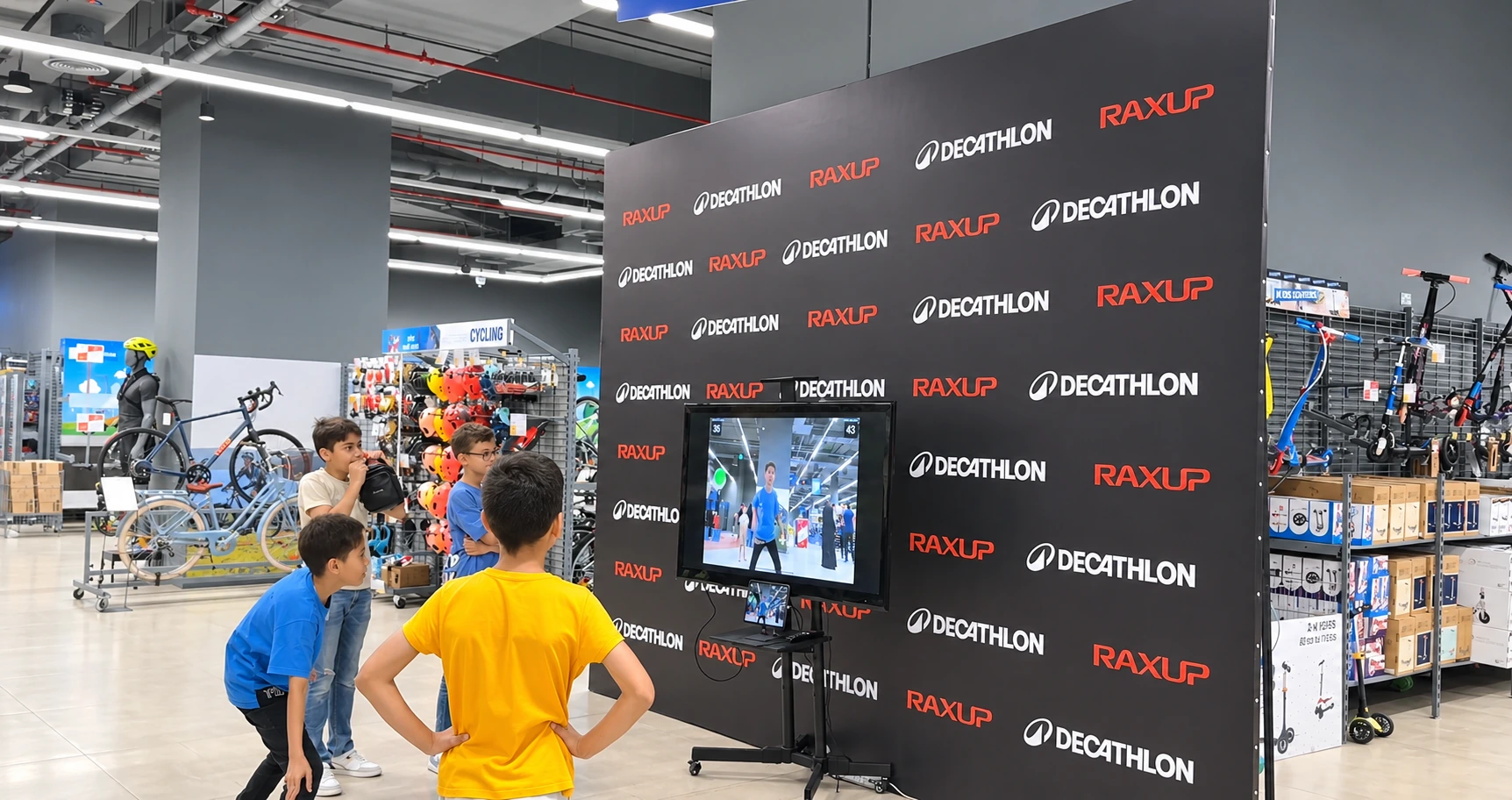
At a two-day RaxUp event in a Decathlon store in Oman, visitors tried the movement-based games. Decathlon awarded prizes at the end of the event.
It was a real-world activation: a chance to put the experience in people’s hands. It was not proof of product-market fit.
More installs.
The same harder question.
A later Google Ads campaign generated installs, but long-term retention remained weak.
We introduced product analytics, application logs, heatmaps, and session recordings to understand UX friction. We improved exercise onboarding and instructions, then explored non-AR exercises to reduce possible camera-related friction.
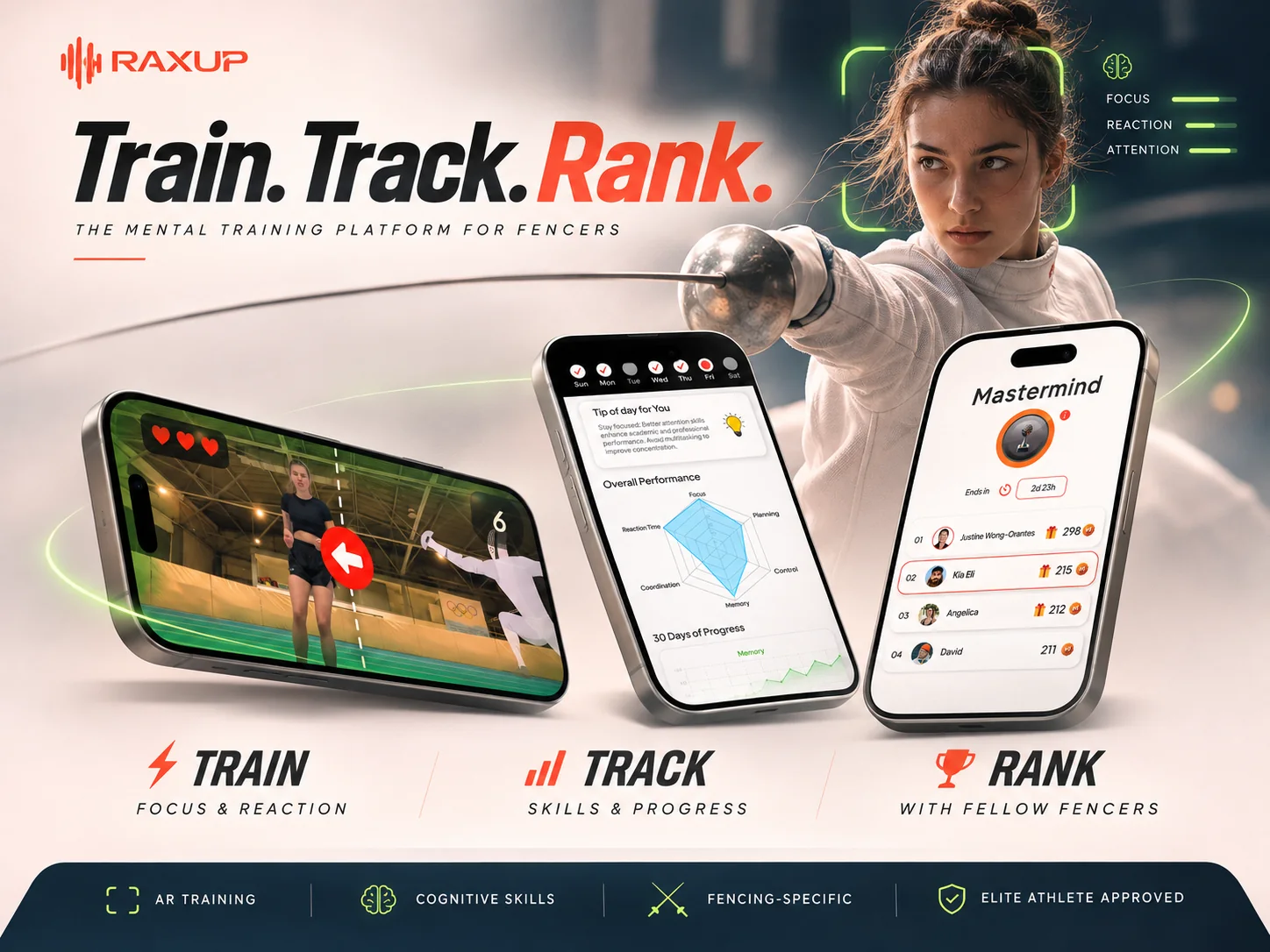
Those changes addressed usability issues. They did not resolve the underlying repeat-use problem. The team also explored positioning RaxUp toward more serious athletes.
Later concept exploration — not shipped UI.
Chapter 06 / What I learned
A better experience
doesn’t guarantee a need.
- Novelty
- Interesting enough to try.
- Usability
- Clear enough to use.
- Engagement
- Compelling while you play.
- Market need
- Valuable enough to return.
A product can be exciting, technically ambitious, and increasingly usable without solving a problem that brings users back consistently.
Today I apply this lesson to early-stage products: test the underlying need before investing too heavily in building and polishing the experience.